Winery Visits: My Path to Real Wine Knowledge
Reading time: 11 minutes
When I was first supposed to visit a winery three years ago, I could barely tell a Riesling from a Pinot Gris. Today I can tell by the nose whether a Pinot Noir comes from the Rheingau or the Pfalz. What happened between then and now: 23 winery visits in Germany, France and Italy that turned me from an absolute wine novice into a confident connoisseur.
I owe this development to one of my earlier arrangements, a successful entrepreneur with an impressive wine collection. Instead of just taking me along to exclusive dinners, he deliberately invested in my education. His conviction: real wine knowledge doesn't come from YouTube videos or books, but right on site, between the vines and the cellars. He was right.
My First Visit to Weingut Künstler in the Rheingau
September 2021, Hochheim am Main in Germany. Weingut Künstler was my first stop, and I felt completely overwhelmed. Winemaker Gunter Künstler personally led us through the vineyards at the Höllenberg, explaining soil composition, microclimate and hand harvesting. I nodded politely but understood only fragments.
What left a lasting impression: Künstler had me smell three different Riesling grapes, all from the same slope but harvested at different stages of ripeness. The development of aromas, from green and tart through fruity and juicy to honey-sweet, was a revelation. For the first time I understood that wine is made in the vineyard, not in the cellar.
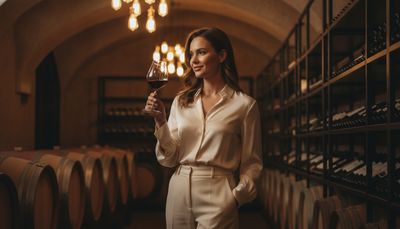
The real turning point came at the tasting afterwards in the historic vaulted cellar. Künstler poured us his 2019 Riesling Hochheimer Hölle and explained: "Can you smell the minerality? That's the limestone the vines stand on." I smelled nothing of the sort, but didn't admit it. Instead I meticulously noted every description, every aroma, every peculiarity.
How Systematic Learning Changed My Wine Perception
After that first visit I decided I didn't want to bluff my way through any longer. I bought the book "The World Atlas of Wine" by Hugh Johnson and Jancis Robinson and studied wine regions, grape varieties and winemaking methods. At the same time I began keeping a tasting journal, a habit I still keep up today.
My second winery visit took place six weeks later at Weingut Dr. Bürklin-Wolf in the Pfalz. This time I was prepared. I knew the VDP classification (the Association of German Prädikat Wine Estates), knew about biodynamic viticulture and could ask targeted questions. Cellar master Bernd Philippi looked visibly surprised when I asked about maceration and the use of spontaneous yeasts.
Tasting their Grosse Gewächse, top wines from top vineyard sites, I actually recognized differences between individual sites for the first time. The Kirchenstück Riesling tasted clearly more mineral than the Ungeheuer, just as Philippi had described. That moment when theory and taste experience came together was better than any designer gift.
Bordeaux Taught Me Humility and Precision
In spring 2022 I accompanied my companion at the time on a business trip to Bordeaux. He arranged private tours at Château Margaux and Château Pichon Baron, wine estates in the very top class. Here I learned that real wine knowledge also means knowing your own limits.
The cellar master at Château Margaux, a woman in her mid-fifties with 30 years of experience, led us through the temperature-controlled fermentation tanks and explained the plot-by-plot vinification. 84 separate plots are harvested, fermented and tasted individually here before the final blend is made. The precision was breathtaking.
While tasting the 2019 Château Margaux, market value at the time about $650 a bottle, I made my biggest beginner's mistake: I tried to list as many aromas as possible to seem competent. The cellar master smiled mildly and said: "Sometimes less is more. What do you feel when you drink it?" That question changed my entire approach to wine. It's not about impressing others, it's about real perception.
What You Learn on a Winery Visit That No Book Can Teach
After 23 winery visits in various countries, I can say clearly why these experiences are irreplaceable. Here are the most important insights, which I gained exclusively on site:
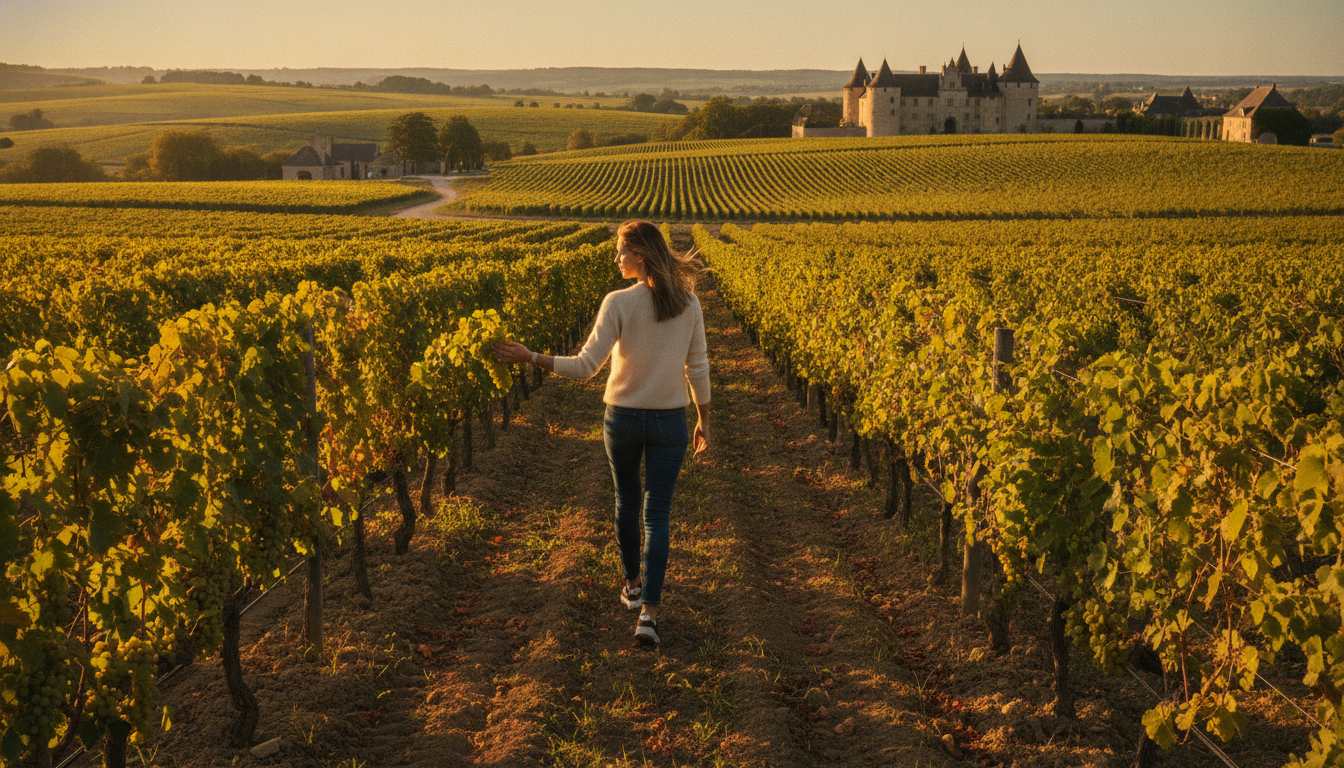
- Terroir is real: Standing at Weingut Joh. Jos. Prüm on the Mosel and seeing the slate-rich steep slopes of the Wehlener Sonnenuhr, I understood for the first time why these wines have that specific minerality. The soil passes its profile directly on to the wine.
- Handwork makes the difference: At Weingut Dönnhoff in the Nahe I watched the hand harvest at the steep Felsentürmchen site. A 45-degree slope, every grape checked and cut individually. You can taste that effort in the glass.
- Spontaneous fermentation takes courage: Winemaker Clemens Busch on the Mosel explained to me why he works exclusively with wild yeasts. The risk is higher, the result more complex and authentic. That philosophy still shapes my taste in wine today.
- Old vines are treasures: At Weingut Wittmann in Rheinhessen I tasted a Riesling from 70-year-old vines. The concentration and depth were nowhere near comparable to young vines. Since then I look out for bottles labeled "old vines."
How I Went From Wine Novice to Connoisseur
The transformation didn't happen overnight, but in measurable steps. After my fifth winery visit I could identify the most important German grape varieties blind. After the tenth visit I recognized different aging methods: barrique versus stainless steel tank, new versus old barrels.
A key moment was my visit to Weingut Franz Keller on the Kaiserstuhl in September 2022. Cellar master Fritz Keller junior let me join a barrel sample, a Pinot Gris that still had three months of aging on the lees ahead of it. The taste was completely different from the finished, bottled wine. That experience taught me that wine is a living product that is constantly developing.
According to a study by the German Wine Institute from 2023, only 12 percent of German wine drinkers regularly buy wine directly from the producer. But that very direct encounter is crucial for real understanding of wine. When the winemaker explains why he harvested earlier this year, what challenges climate change brings or why he bets on certain clones, it creates context that no wine description can provide.
Winery Visits Also Shaped My Personality
The regular winery visits changed not only my wine knowledge but my entire attitude as a sugar baby. I learned that real expertise requires time, humility and genuine interest. This attitude carried over into other areas of life.
Much like the cooking class with a Michelin-starred chef, where I got to know culinary precision, the winery visits sharpened my eye for quality and craftsmanship. Together, both experiences made me a more discerning, but also more grateful, connoisseur.
On a visit to Weingut Egon Müller on the Saar, one of Germany's most renowned wine estates, I got to taste a 2015 Scharzhofberger Riesling Trockenbeerenauslese. Market value: about $800 a bottle. What I felt in that moment wasn't greed for luxury, but deep gratitude for the chance to experience such rarities. That gratitude shapes my whole attitude toward lifestyle dating.
Practical Tips for Your First Winery Visit
If you want to visit a winery yourself, I recommend the following concrete steps. Start with a mid-sized VDP winery in your region; these usually offer professional tours and knowledgeable contacts. Large industrial producers are too impersonal for a start, and tiny family estates are sometimes too specialized.
Book the tour at least two weeks in advance and let them know you have a serious interest in wine knowledge. Most wineries appreciate genuine curiosity more than feigned expertise. Prepare three to five concrete questions that go beyond "Which wine goes with fish?" Ask about soil composition, about the estate's philosophy or about the biggest challenges of the last vintage.
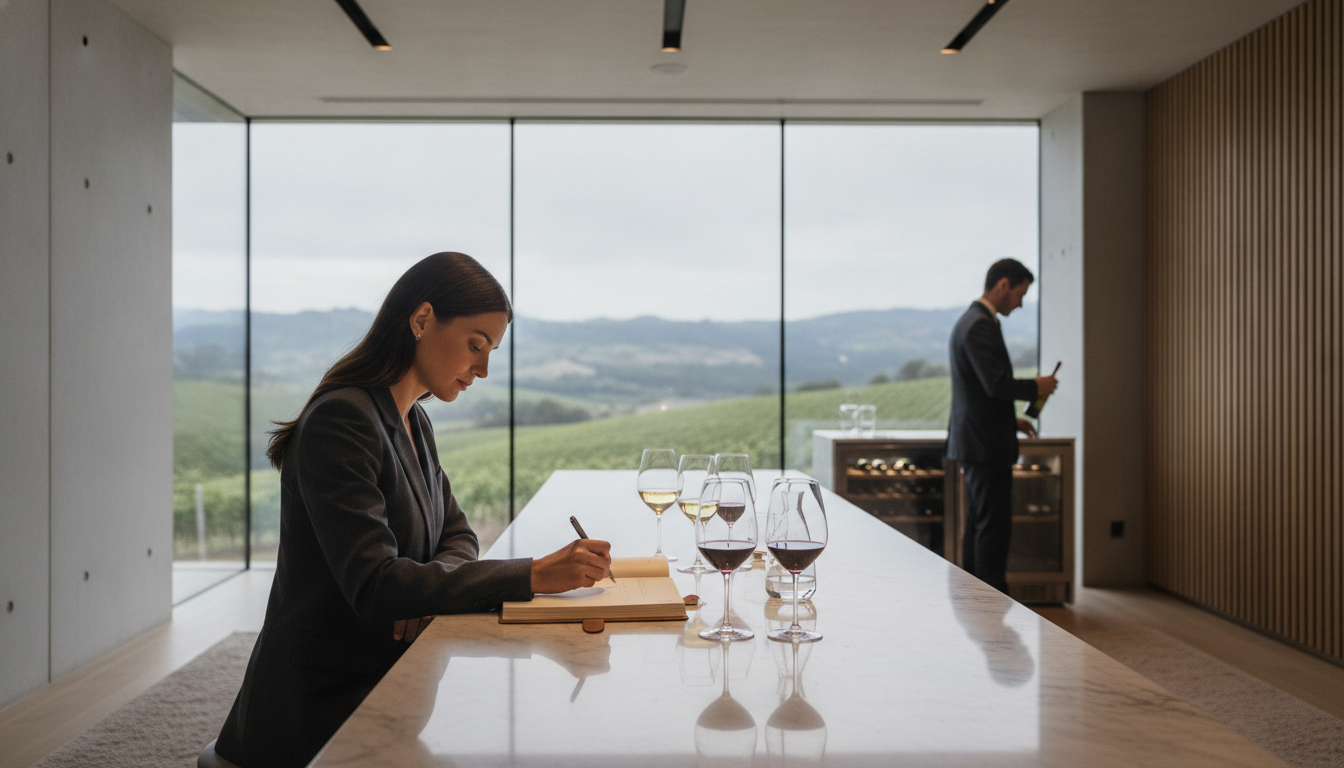
Invest in a tasting journal or use an app like Vivino to capture your impressions right away. Note not just aromas but context: who led the tour? What was the most interesting piece of information? Which wine surprised you? These notes are worth their weight in gold if you want to build your knowledge systematically.
At the end, buy at least one bottle on site. That not only supports the winery, it also gives you the chance to retrace what you learned at home. From each of my 23 winery visits I took home at least two bottles and stored them in a climate-controlled wine fridge, my personal learning library.
From Wine Tasting to Wine Culture
Over time my interest in wine turned into real cultural understanding. I visited wine fairs like ProWein in Düsseldorf, read trade magazines like Vinum and Falstaff, and began to dig into wine history. Today I can trace the development of German winemaking since reunification and understand the current debate about climate change and shifting grape varieties.
An article in the trade magazine Vinum from March 2024 described how German winemakers are increasingly experimenting with southern grape varieties like Cabernet Sauvignon or Syrah because summers are getting hotter. That information wouldn't have interested me before. Today I follow this development eagerly and deliberately try new wines from these experiments.
Much like wine tastings boosted my confidence, the winery visits gave me a solid knowledge base that I can use in all kinds of social situations. At business events, private dinners or cultural occasions I can join the conversation today without seeming affected.
What Real Wine Knowledge Means in Lifestyle Dating
In the world of lifestyle dating, education is an underrated asset. Many think it's only about looks and charm. My experience shows: men who are seriously interested in long-term arrangements appreciate a partner who develops real interests and keeps learning.
My wine knowledge opened doors to circles I would never otherwise have entered. A successful businessman from Hamburg whom I met through MySugardaddy invited me to a private wine auction at Christie's in London after we'd talked about Burgundian Pinot Noirs over dinner. Opportunities like that don't come from superficial name-dropping, but from real, demonstrable knowledge.
At the same time, wine knowledge helped me present myself with more confidence. When I study the wine list at a business dinner and make a well-informed recommendation, I take an active role instead of just nodding passively. That self-assurance, which comes from real skill, is priceless.
My Personal Top 3 Winery Experiences
Of my 23 visits, three stand out in particular. The first was Weingut Schloss Johannisberg in the Rheingau in April 2023. This is where the Spätlese (late harvest) was discovered in 1775, through a delayed start to the harvest caused by a forgotten permission letter. The historic cellar vaults, where wine has been stored for over 200 years, gave me my first real sense of wine tradition.
The second highlight was the Antinori nel Chianti Classico winery in Tuscany in September 2023. The estate's modern architecture, built entirely into a hillside, shows how winemaking and contemporary aesthetics can merge. Tasting a 2016 Tignanello, one of the most famous Super Tuscans, was a revelation in terms of flavor.
The third unforgettable visit took me to Weingut Nikolaihof in the Wachau, Austria, in May 2024. This biodynamic estate has been farmed according to Demeter guidelines since 1992. Winemaker Christine Saahs explained to me the cosmic rhythms by which she tends her vines. Even though I'm skeptical of that esotericism, the wines were extraordinary.
Frequently Asked Questions About Winery Visits
What does a typical winery visit in Germany cost?
A guided tour with tasting at German wineries costs between $15 and $60 per person, depending on reputation and scope. VDP wineries like Künstler or Dönnhoff usually charge $25 to $35 for a standard tour with a tasting of four to six wines. Exclusive private tours with the cellar master can cost $100 to $200, but also offer far more depth and access to rarities.
How do I prepare best for a winery visit?
Find out about the winery beforehand: which grape varieties are grown? Is there a special philosophy or history? Read at least two or three articles or reviews, for example in Vinum or the Eichelmann wine guide. Formulate three concrete questions that show your interest. Skip strong perfume on the day of the visit, as it interferes with your perception of aromas. Allow enough time; good tours last two to three hours.
Can I really learn anything as a wine beginner, or will I seem out of place?
Absolutely yes, and you're actually the ideal audience. Winemakers value genuine interest far more than feigned expertise. Say openly that you're a beginner and want to learn. Most winemakers love explaining their craft and adjust their tour to your level of knowledge. My first visit to Weingut Künstler was as a complete novice, and today it's one of my favorite wineries, precisely because they were so patient.
Which wineries are especially good for getting started?
For beginners I recommend mid-sized VDP wineries in classic growing regions like the Rheingau, Pfalz or Mosel. Specific recommendations: Weingut Robert Weil in Kiedrich, Weingut von Winning in the Pfalz or Weingut Markus Molitor on the Mosel. These estates offer professional structures, tours in German and good value for money. They are big enough for quality, but small enough for personality.
How many winery visits does it take before you notice real progress?
In my experience you notice the first real progress after three to five visits, provided you prepare beforehand and afterwards and document your impressions. After ten visits in different regions you develop a solid basic understanding of grape varieties, terroir and winemaking. After 20 visits you can identify most classic wines blind and have an informed opinion on wine styles and quality. What matters is consistency and genuine interest, not the sheer number.
My Conclusion: Wine Knowledge Is a Journey, Not a Destination
After three years and 23 winery visits I know: I will never be "finished" with my wine knowledge. Every visit opens new questions, every tasting shows me new facets. That is exactly what makes this passion so valuable.
What began as accompanying someone on an arrangement became an independent educational journey that made me grow as a person. The ability to systematically get to the bottom of a complex subject shaped my whole attitude toward learning and development. That attitude also helped me in other areas, such as building my own wealth and my financial education.
If you're looking for a way into wine knowledge, there is no better path than the direct one: book an appointment at a winery in your region, go with open eyes and honest interest, and let yourself be surprised. The investment of time and money pays off many times over, not just in enjoyment but also in personal growth and real skill that stays with you for life.