Opera Premieres: Passion or Just Status?

Reading time: 8 minutes
I'm sitting in the third row of the Staatsoper Hamburg, the overture to Verdi's "La Traviata" begins, and the man next to me checks his smartphone for the fourth time. His Rolex glints in the dimmed light, his tuxedo fits flawlessly, but his eyes are empty. By intermission at the latest, I know: this man isn't here because he wants to attend opera premieres, he's here because one has to be seen. And that's exactly the difference I've learned to recognize over the last three years.
At upscale evening events like opera premieres, the wheat quickly separates from the chaff. Someone who truly wants to experience classical music shows it in the first 15 minutes after the curtain rises. Someone who only wants to display status shows it even faster.
The First Signals Right at Arrival
I can spot real interest before we even reach the foyer. The first time I came to the Hamburgische Staatsoper for the premiere of "Don Giovanni," I watched my companion closely. He knew the name of the soprano, mentioned her interpretation at the Glyndebourne Festival in 2023 and had already read the program online. Those weren't memorized phrases, that was real enthusiasm.
In contrast, there was another evening at the Bayerische Staatsoper in Munich. My companion at the time didn't even know which piece was being performed. His first question in the car: "How long does it run?" At cultural events in Hamburg or Munich, the same principle applies. Whoever asks how long it takes has already answered the question about his motivation.
Opera Etiquette as a Litmus Test
Opera etiquette reveals more about a person than any Tinder profile. According to a survey by the German Orchestra Association, around 3.4 million people visited German opera houses in 2023, but by no means all of them out of cultural interest. Whoever looks at his watch during the aria, whoever talks only about business at intermission, whoever is the first to stand up during the applause to get to the coat check: those are the signs.
I remember an evening at the Semperoper in Dresden. My companion insisted on being there 45 minutes before the start. Not to be seen, but to take in the architecture, read the program in peace and get in the mood for the production. He explained details about the set designer to me and showed me sketches of the costumes on his tablet. That wasn't learned knowledge, that was lived passion.
Wardrobe and Presence With Substance
What do I wear to an opera premiere? I often asked myself that at first. By now I know: a simple black dress from COS for $195, combined with a statement necklace, is perfectly enough. The women sitting in the front row at the Staatsoper Hamburg often wear designer gowns from $3,300 and up, but that doesn't make them better listeners. I once saw a lady in Chanel fall asleep during the second act. Her dress cost more than my monthly rent, and her appreciation for the art was nonexistent.
Real style shows differently. A man who takes my handbag before we sit down, who whispers instead of talking loudly, who asks after the performance which scene moved me the most: that's class. No Rolex in the world can replace that.
How Do I Really Behave at an Opera Premiere
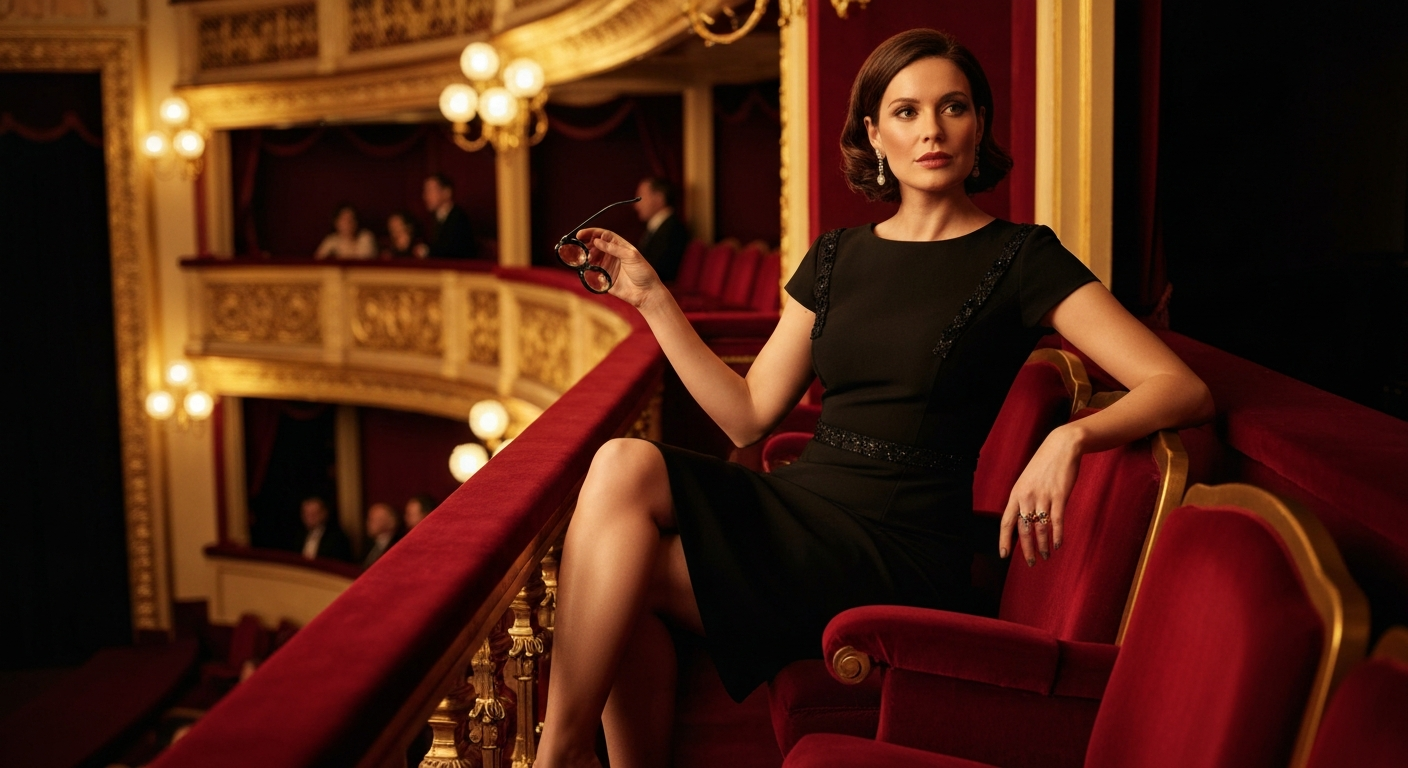
I googled this question in a panic at 10 p.m. before my first visit to the Vienna State Opera in 2021. I didn't find the answer online but through observation. Here are the rules that really count:
- Smartphone completely off, not just silent. Letting it vibrate in your pocket still disturbs people.
- Applause only after the last note, not when the curtain falls. This is especially true for Wagner operas, since scene transitions flow into each other.
- Use perfume sparingly. At the Staatsoper Hamburg I once sat next to a woman whose cloud of fragrance reached the entire orchestra pit.
- Don't talk business between acts. Anyone who does could just as well have stayed in the business lounge.
- Be able to bring up at least one specific scene after the performance. Someone who only says "It was nice" wasn't really there.
Experiencing the Opera With Mature Men
The average age at opera premieres is 57, according to German cultural statistics for 2023. When I get to experience the opera with mature men, I pay attention to their reactions during the performance. A man who smiles involuntarily at an especially successful coloratura, who briefly closes his eyes after a powerful aria, who discusses the director's interpretation at intermission: that's someone who really wants to be here.
I had an arrangement with a businessman from Frankfurt who accompanied me to a total of seven opera premieres. He had a season ticket for the Alte Oper Frankfurt and knew every singer personally. His enthusiasm was contagious. Before every performance, he explained the plot, the special features of the production and the soloists' careers. That was education he gladly shared, not knowledge he put on display. I had similar experiences with my first arrangement, which began at a gallery opening, where I also learned how real love of culture differs from mere prestige-seeking.
The Staatsoper Hamburg as a Meeting Point for the Scene
With 1,674 seats, the Staatsoper Hamburg is one of the most important meeting points for lifestyle dating in northern Germany. I've met more interesting men there than on any platform. The advantage: someone who spends $195 on a premiere ticket is serious. Someone who only wants status goes to the premiere and leaves after intermission. Someone who truly loves culture stays until the last curtain and then talks for another hour in the opera restaurant.
At cultural events in Hamburg, I notice that the city has an especially active scene. The Thalia Theater, the Elbphilharmonie, the Kunsthalle: everywhere you meet people who don't consume culture but live it. And that's exactly where I also recognize the genuinely interested in lifestyle dating. You can find more about this particular scene in reports on sugar daddies in Hamburg, where cultural meeting places play a central role.
Recognizing Genuine Interest in Culture
According to a 2022 study by the Bertelsmann Stiftung in Germany, 34 percent of respondents say they attend cultural events for social reasons, not out of interest in the program. That number matches my experience. About a third of the men who wanted to accompany me to opera premieres had no real interest in the performance.
I recognize genuine interest by the following traits: the man knows the composer and can name at least two other works. He has an opinion on the direction that goes beyond "modern" or "classical." He asks questions about my perception instead of just presenting his own expertise. And above all: he stays quiet during the music.
Intermission as the Moment of Truth
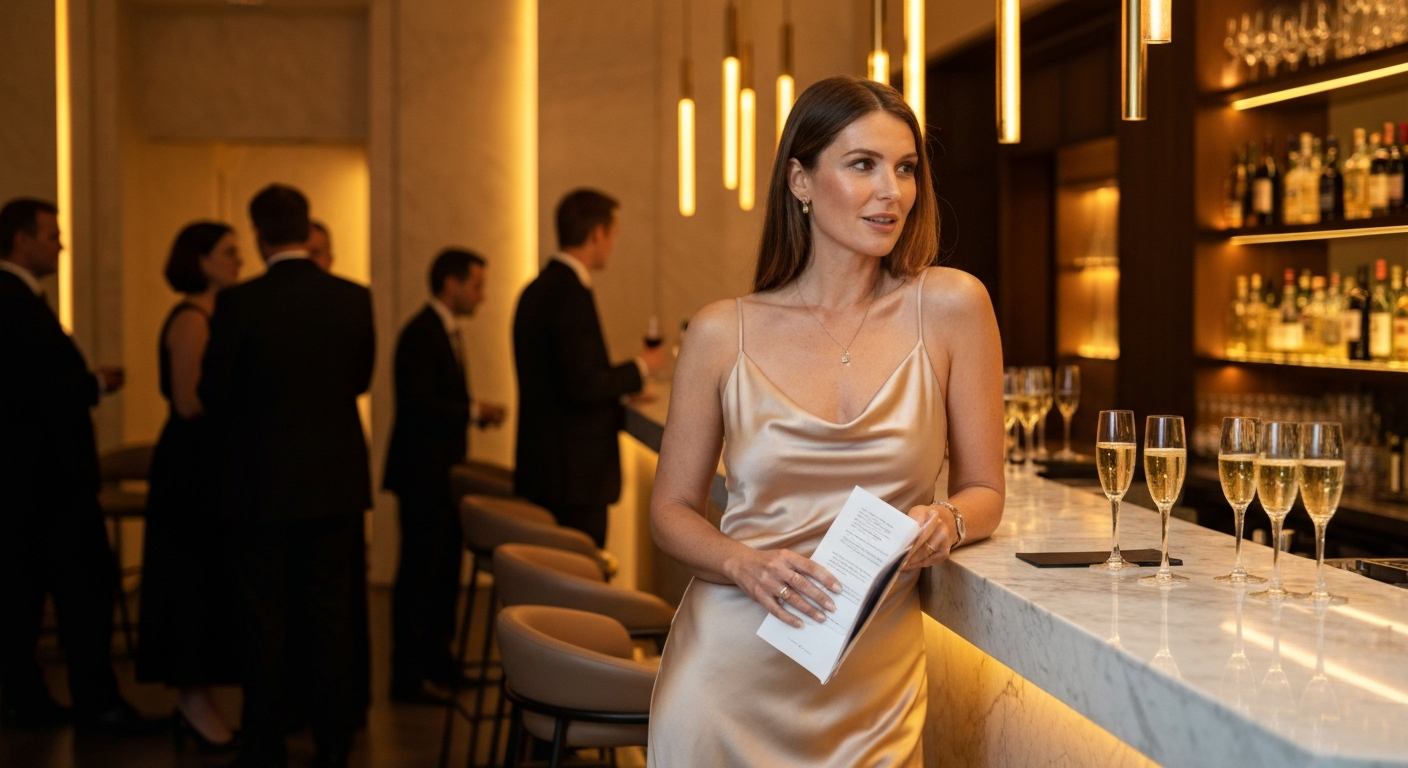
At intermission, everything shows. Someone who rushes straight to the champagne reception and has himself photographed with as many people as possible is in the wrong place. Someone who opens the program, talks about the interpretation or simply enjoys the atmosphere quietly is in the right one. I once had a companion who delivered a whole analysis of the directing at intermission of "The Magic Flute" at the Bayerische Staatsoper. He quoted interviews with the director, compared it with earlier productions and asked for my opinion on the set design decisions. That was a conversation on equal footing, not a monologue.
In contrast, I've experienced men who at intermission talked exclusively about the DAX (Germany's stock index) or were on the phone. One even left the opera house to "make a quick important call." He didn't come back. The ticket for the second half went unused. For me that was the final proof: status, no interest.
My Personal Conclusion After Three Years
Over the last three years I've accompanied 23 opera premieres. Eight of them were truly magical because my companion loved the art as much as I did. The remaining 15 were obligatory events for men who believed culture was an accessory like an expensive watch. By now I know: you should only attend opera premieres together if both sides really want to be there.
The most beautiful premiere I experienced was in November 2023 at the Semperoper in Dresden, at "Der Rosenkavalier." My companion had tickets in the seventh row, not the first. He said: "The acoustics are better here." He was right. After the performance we stayed another two hours at Café Schinkelwache and talked about the production, about Strauss, about music. No name-dropping, no selfies, no status games. Just two people sharing a perfect evening.
Since then my yardstick is clear: if someone wants to talk more about the music than about the guest list after the opera premiere, then it was real passion. Everything else is scenery.
Frequently Asked Questions About Opera Premieres
How do I recognize genuine interest at cultural events?
Pay attention to whether your companion knows specific details about the performance, whether he stays quiet during the music and whether after the performance he talks about content instead of networking. True culture lovers usually know the names of soloists and directors or have seen earlier productions. They ask questions about your perception instead of just demonstrating their expertise.
What do I wear to an opera premiere without looking overdressed?
A simple cocktail dress or an elegant combination of blouse and skirt is perfectly enough. At the Staatsoper Hamburg or the Semperoper Dresden, many guests wear evening wear, but nobody will look at you sideways in a simple black dress. More important than the price is the fit. Avoid flashy jewelry that jingles during the performance, and use perfume sparingly.
How do I behave properly at an opera premiere?
Turn your smartphone completely off, not just silent. Applaud only after the last note, not at every curtain. Avoid conversations during the music; even whispering is disruptive. Arrive at least 15 minutes before the start to get your bearings and read the program. You can chat at intermission, but avoid loud business conversations. After the performance, it's good manners to stay at least until the end of the applause.
Why are opera visits popular meeting places in lifestyle dating?
Opera premieres attract an educated, financially independent audience. They offer a cultural setting that goes beyond superficial dates. At the same time, they're a status indicator showing that someone is willing to invest in special experiences. For many mature men, the opera is a natural part of their lifestyle, much like exclusive restaurants or private clubs. The atmosphere also allows for a first meeting in a respectful setting.
How often should I attend opera premieres to build my own expertise?
Three to four visits per season are enough to develop a feel for different production styles and composers. More important than quantity is preparation: read the plot beforehand, listen to well-known arias and find out about the soloists. After about ten visits you'll notice differences in interpretation and be able to join the conversation. True connoisseurs often attend the same opera in different productions so they can draw comparisons.