Cooking Class With a Star Chef: My Culinary Education
Reading time: 11 minutes
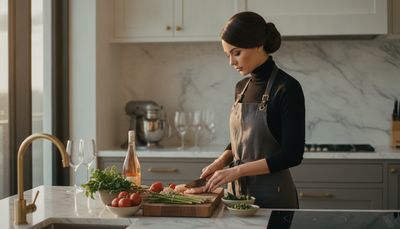
When I walked into the kitchen of star chef Matthias Schwarz in Hamburg-Eppendorf for the first time in February 2023, I had no idea how much this star chef cooking class would change my relationship with food. I stood among gleaming copper pots, professional induction stoves and a worktop of French marble, thinking only: "What am I even doing here?" Three months and $2,000 later, I can say it was the best investment in my personal development in a long time.
Through this culinary education, I didn't just learn how to make hollandaise sauce without it splitting. I understood why quality has its price, how to enjoy with all your senses and why a refined palate reaches far beyond the plate. This experience shaped my personality and opened up new perspectives in many areas of my life.
What You Really Learn in a Cooking Class With a Star Chef
The first evening with Matthias Schwarz began with a lesson on knives. Not just any knives, but a hand-forged Kai Shun santoku for $320. He showed us the difference between a 15-degree and a 20-degree edge and had us practice on spring onions until our cuts were paper-thin and even. This precision wasn't an end in itself: it fundamentally affects cooking time, texture and flavor.
Over the following weeks, we learned the five mother sauces of French cuisine: béchamel, velouté, espagnole, hollandaise and tomato. Each sauce has its own temperature curve, its critical moments. With hollandaise, for example: 60 degrees Celsius (140°F) is perfect, and at 65 degrees (149°F) the egg yolk curdles. Matthias explained that learning fine dining means understanding and respecting these invisible limits.
According to a 2023 study by DEHOGA, the German hotel and restaurant association, Germans spend an average of €420 a year on culinary continuing education, and the trend is rising. Source: DEHOGA Market Research 2023. What I experienced in my course, however, went far beyond just copying recipes.
Gourmet Cuisine Experience: The Transformation of My Palate
One March evening we prepared scallops with celeriac purée and truffle foam. Matthias had us blind-taste three different truffle oils: a synthetic one for $13, an Italian one for $53 and a French Périgord truffle oil for $140 per 100 milliliters. The difference was staggering. The cheap oil smelled like a chemistry lab, the expensive one like forest floor, mushrooms and a depth I couldn't describe.
This gourmet cuisine experience sharpened my senses for good. I began to taste more carefully at every meal, to question ingredients, to notice differences in quality. When I go to a restaurant today, I can tell immediately whether the sauce comes from a powder mix or was reduced for hours. That ability has changed my standards, not just for food but for a lot in my life.
Much like wine tastings strengthened my self-confidence, every cooking evening gave me more assurance in upscale culinary situations. Suddenly I understood the menus at star restaurants and could join the conversation when it came to sous-vide cooking or emulsions.
A Haute Cuisine Insight: Behind the Scenes of Top Gastronomy
In April 2023, Matthias arranged a visit to his two-star restaurant "Schwarz & Silber" in Hamburg's HafenCity. We were allowed to stand in the kitchen during the evening service, among 14 cooks who worked like surgeons. Every movement was precise, every second was timed. It was a haute cuisine insight that opened my eyes to the incredible discipline behind every perfect plate.
The head chef explained the mise-en-place principle to us: everything is prepared before the first guest arrives. 43 different components for a 7-course menu, each in separate containers, each planned to the second. This system, this preparation at the highest level, was a lesson for life, reaching far beyond the kitchen.
According to Statista Germany, around 275 star chefs worked in German restaurants in 2023, spread across 310 establishments awarded Michelin stars. Source: Statista - Michelin Stars Germany 2023. The exclusivity of this world makes access especially valuable.
The Emotional Side of Culinary Perfection
What surprised me: Matthias didn't just talk about technique but also about emotion. He told us about his grandfather, a baker in Lübeck, who taught him as a child that food is love. That every ingredient deserves respect. That perfection doesn't mean coldness but the highest form of appreciation.
This philosophy changed my attitude. Today I no longer cook quickly on the side but take my time. I buy from the specialty food shop instead of the supermarket, pay more for meat from humane farms, choose seasonal vegetables from the weekly farmers' market in Hamburg-Winterhude. These conscious decisions have helped me mature as a person.
How Do I Refine My Palate for the Long Term
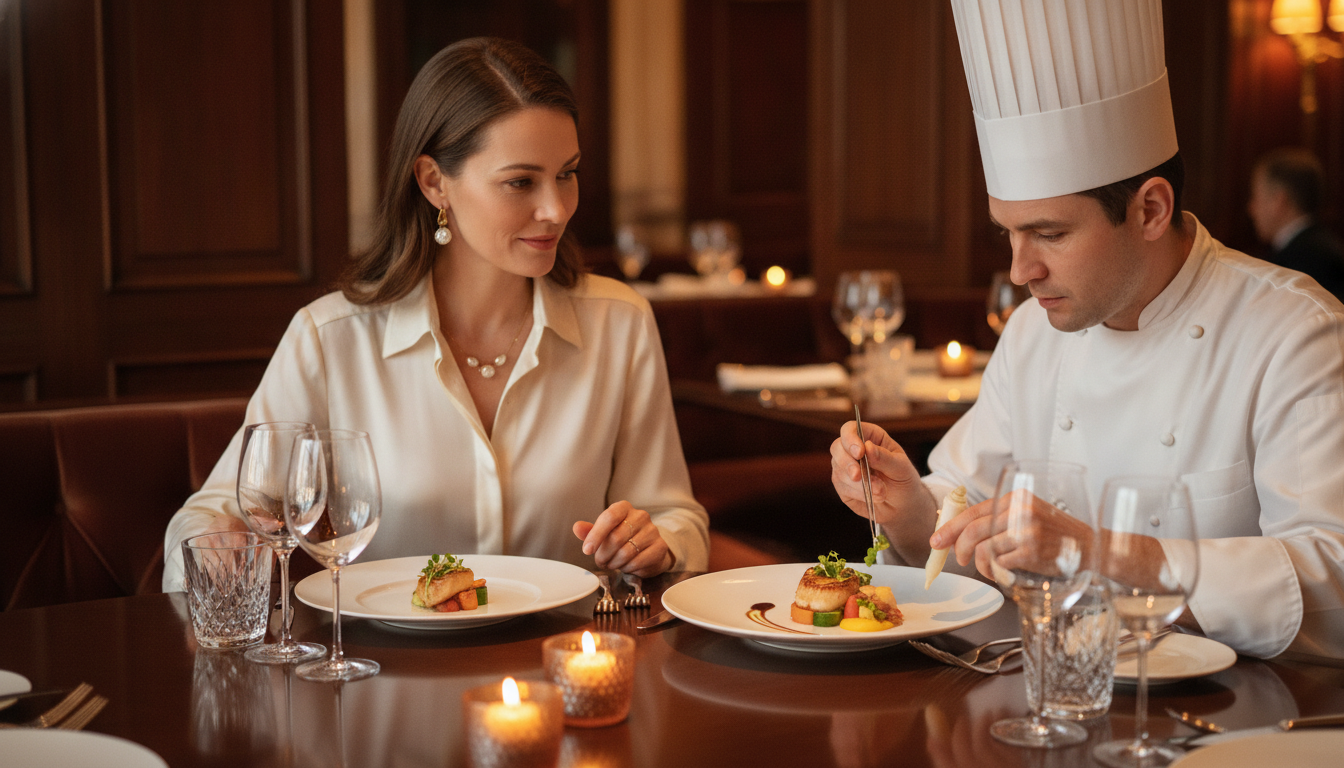
After three months of intensive learning, I asked myself: how do I keep refining my palate in the long term? Matthias gave us concrete homework to take along. No abstract tips, but practical exercises that I still carry out today.
- Try a new spice or an unfamiliar ingredient every month. I started with sumac, then Szechuan pepper, later yuzu
- Go to a star restaurant at least once a quarter and analyze consciously, not just enjoy
- Keep a taste journal: I note flavors, textures and combinations that surprise me
- Eat with my eyes closed and focus only on taste, texture and temperature
- Read cookbooks like novels, not just as recipe collections. The introductions especially reveal a lot about philosophy
These methods have continually refined my palate. Today I taste nuances that would have completely escaped me before. During a visit to "Haerlin" in the Hotel Vier Jahreszeiten, I recognized the note of tonka bean in the dessert, because we had worked with exactly that in the course.
Why a Cooking Class Developed My Personality
In June 2023, three months after the course began, an acquaintance invited me to a business dinner. In the past I would have been nervous, not knowing which cutlery to use when or which course goes with which wine. This time everything was different. I moved confidently in this setting, could talk shop with the sommelier and recognized how the fish had been prepared.
Why a cooking class developed my personality became clear to me in that moment: it's not just about food. It's about cultural education, about self-assurance in upscale circles, about the ability to tell quality from mediocrity. These skills are transferable to every area of life.
Much like business events shaped my career, culinary education strengthened my confidence in social situations. Today I can speak on equal footing with people for whom fine dining is part of everyday life. That opens doors, creates connections and makes me a more interesting conversation partner.
The Return on Investment of My Culinary Education
$2,000 for a three-month star chef cooking class sounds like a lot of money. But if I'm honest about the math: the skills I've gained are priceless. Today I save money because I no longer fall for expensive names in restaurants but recognize real quality. I impress at private dinner parties with dishes that would have been unthinkable before. And I've discovered a new passion that enriches my life.
The investment has multiplied emotionally and socially. I've become more confident, more cultivated, more discerning, in a positive sense. This transformation can't be measured in money, but I feel it every day.
What Skills Does a Haute Cuisine Course Concretely Bring
At the end of the course, we received a certificate from Matthias Schwarz designating us "graduates of advanced culinary art." But far more important were the practical skills I got to take away. What skills does a haute cuisine course really bring? Here's my personal list after three months of intensive learning.
Today I can make 23 classic sauces, pan-sear a filet perfectly, and I know the ideal core temperatures for 12 different kinds of meat. I understand sous-vide cooking, can reduce a stock over 8 hours and know how to stabilize emulsions. Technically I'm at a level that once seemed unreachable.
But the most important skills are the soft ones: patience, precision, respect for the product. The ability to learn from mistakes: an oversalted sauce isn't the end, but a lesson. Humility in the face of the complexity of real culinary art. These developments in character have changed me as a person.
The Social Skills Gained Through Upscale Cuisine
An underrated aspect: the course brought me together with people who share similar interests. There were eight of us: an attorney, a management consultant, two doctors, a gallery owner, an architect, a hotel director and me. The conversations during the cooking breaks were often just as valuable as the culinary lessons.
I learned how to make small talk about food in upscale circles without seeming contrived. How to give compliments that show you understand the work behind a dish. How to politely but firmly send something back when the quality isn't right. These social skills are worth their weight in gold in a world where culinary standards are often seen as a status symbol.
My Personal Highlights and Takeaways

The absolute highlight was an evening in May 2023 when we cooked a complete 5-course menu for our families. I prepared scallops on pea purée, and my course was praised by everyone. Matthias said the scallops were cooked to the point: 90 seconds per side at 180 degrees Celsius (356°F) in clarified butter. That moment of success showed me I had really learned something.
Another milestone was my first self-cooked dinner for a special occasion in July. I chose a menu from the course: burrata with heirloom tomatoes and basil oil, followed by turbot in champagne sauce, then rack of lamb with artichoke purée, and to finish a passion fruit soufflé. Everything perfectly timed, everything a success. The reactions were overwhelming.
These experiences have given me more self-confidence than many other investments in my personal development. They show me every day that continuous learning is the key to personal growth, culinary and in all other areas of life.
Frequently Asked Questions About Cooking Classes With a Star Chef
How much does a cooking class with a star chef in Germany cost
Prices vary depending on the region and the chef's reputation. In Hamburg, you pay between $1,650 and $2,650 for a three-month evening course. Individual masterclasses cost between $200 and $385 per evening. In Munich and Frankfurt, prices are about 15 to 20 percent higher. My course with Matthias Schwarz cost $2,000 for 12 evenings of 3.5 hours each, which comes to $48 per hour, good value compared to private cooking lessons with star chefs.
Do I need prior experience for a haute cuisine cooking class
No, most star chefs offer courses for different levels. Matthias split us into beginners and advanced students and adjusted the tasks accordingly. More important than prior experience are passion, patience and the willingness to work precisely. Before the course I only had basic skills, but I caught up quickly through attention and practice. If you enjoy cooking at home and are open to criticism, you'll make progress at any level.
How do I find the right cooking class with a star chef for me
First, research star restaurants in your region on the official Michelin Guide website. Many chefs offer courses directly through their restaurant websites. Pay attention to class size: a maximum of 8 to 10 participants is ideal for individual attention. Read reviews on platforms like Yelp or Google and ask about the exact curriculum. I recommend eating at the chef's restaurant beforehand to get to know his style. A free trial evening, like the one Matthias offers, is worth its weight in gold for making the decision.
What equipment do I need for a professional cooking class
Most courses provide all the necessary equipment and ingredients. Matthias did recommend we bring our own knives if we had them, for hygiene and personal preference reasons. After the course I invested in a Kai Shun santoku for $320, a Zwilling chef's knife for $170 and a whetstone for $75. This investment pays off if you want to apply what you've learned at home. Otherwise the equipment on site is enough at the beginning.
How long does it take until I master the techniques confidently
After three months of weekly class evenings and extra practice at home, I could apply the basic techniques confidently. Perfecting them takes years: Matthias said a saucier in his kitchen practices for two years until he can make all the sauces blindfolded. Realistically speaking: after 6 months of regular practice, you can cook a demanding dinner menu for guests. After a year, you'll have a repertoire of 30 to 40 restaurant-level dishes. But the learning process never ends, and that's what makes gourmet cooking so fascinating.
Conclusion: Culinary Education as the Key to Personal Development
My star chef cooking class with Matthias Schwarz in Hamburg was far more than a hobby. It was an investment in my personality, my self-confidence, my cultural education. The $2,000 paid off many times over, not in money but in skills, experiences and self-assurance.
I've learned to recognize and appreciate quality. Today I move confidently in upscale culinary situations. I understand that real taste takes time, practice and investment, a lesson that applies to many areas of life. These experiences from a gourmet cooking class in Hamburg have broadened my horizons and shown me that continuous learning is the path to personal growth.
If you're considering booking a cooking class with a star chef yourself: do it. Not just for the recipes but for the transformation that comes with it. It's an investment in yourself, in your future, in your ability to enjoy life with all your senses. And that's what it's ultimately all about, in lifestyle dating as in life in general.